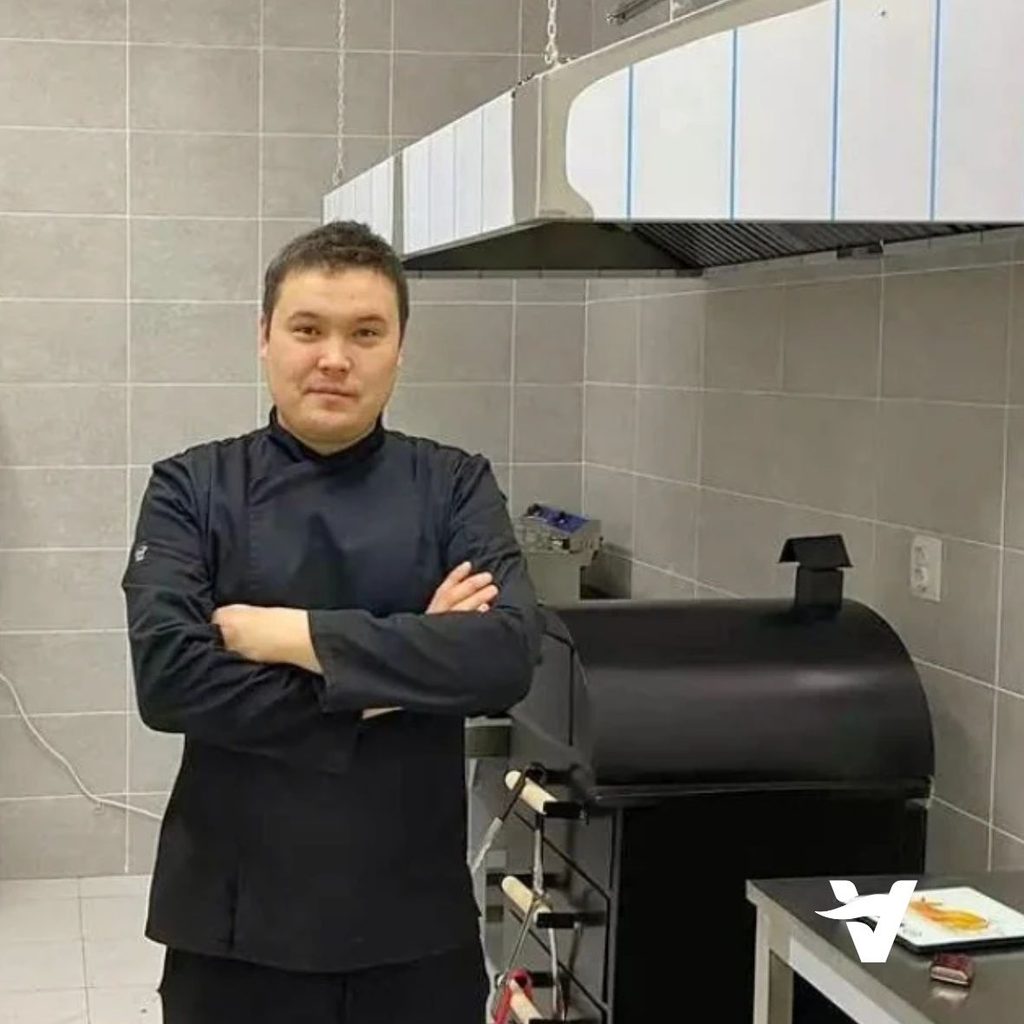
This week, Almaty-based food delivery kitchen Vegan Street celebrates its third anniversary! On 20 November 2023, head chef Galym received his very first order: a Western Bacon BBQ burger. To mark the occasion, we sat down with him to talk about how he got into cooking, why he chose plant-based cuisine, and the challenges facing vegan food businesses in Kazakhstan today.
The interview was originally conducted in Russian. In the event of any discrepancies between the English and Russian versions, the Russian version shall prevail.
By Aliya Wedelich for Veganstan News
It’s 8 pm in Almaty. Have you finished cooking and sent out all the orders?
Galym: To be honest, I still have four meal plans and one big order to prepare, but I told the guys, “Hang on, I have an interview!”
From frying potatoes to vegan cooking
How did you get into plant-based cooking?
Galym: Well, to start with how I became a chef: I knew from the age of six that I wanted to be a cook. That’s when I made my first dish. My parents had gone out and left me home alone, so I decided to fry myself some potatoes. I don’t know how I managed not to burn the apartment down, but somehow I pulled it off!
Then I started baking muffins, cakes and things like that. Eventually, I realised that pastry-making wasn’t really my thing. I preferred working in the hot and cold sections of the kitchen, making salads and hot dishes.
I worked as a chef in different restaurants and countries for many years and also received professional training. I graduated from the Swiss César Ritz university and hold the sixth qualification grade as a chef. I’ve worked in Zurich at the Renaissance Zürich Airport by Marriott, in Dubai at the Radisson Blu Deira Creek, and at the Hyatt Regency Almaty.
In Almaty, a friend and I launched our first project. We made healthier döner kebabs without mayonnaise or ketchup, preparing our own sauces from natural ingredients, such as harissa and tartare sauce. The project started gaining popularity.
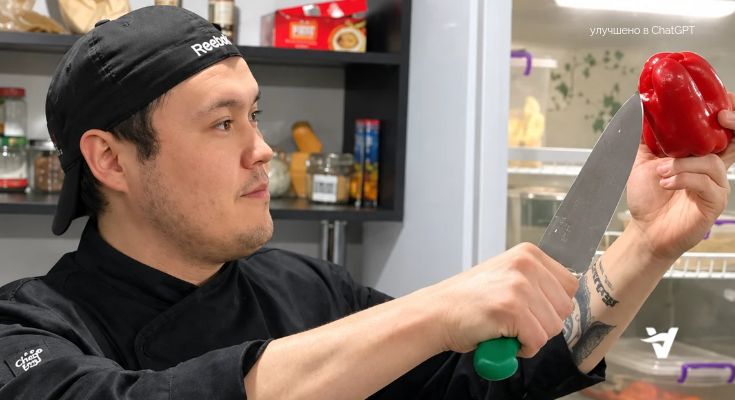
Later, I began adding more vegan options to the menu. Then I moved on to another food business, where I built the entire kitchen operation from scratch, with everything being plant-based.
At that point, I was still eating meat myself. Then one day, after eating chicken, I got seriously food-poisoned. I felt terrible for two or three months.
My mother has been vegan for about 15 years, so she’d always cooked plant-based food at home. After I got food poisoning, someone suggested I try going without meat for a week or two. I gave it a go and liked it. A month passed, then six months, then a year — and now I’ve been vegan for seven years.
I feel perfectly comfortable with it. I don’t feel like I’m missing out on anything. Maybe it’s easier for me because I know how to combine ingredients, have a good sense of spices and aromas, and understand which flavours work well together.
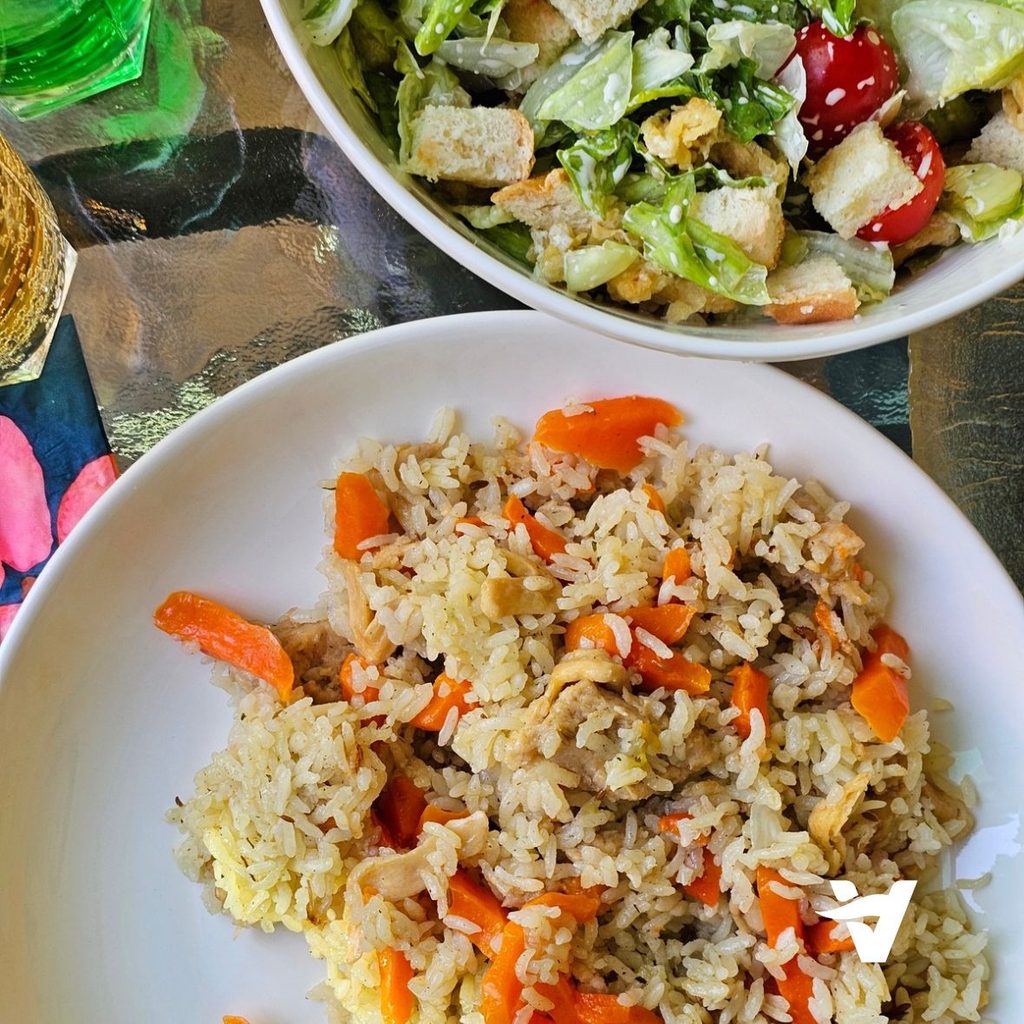
Even on the Vegan Street menu, you’ll find plenty of dishes I’ve recreated in vegan versions. They’re all familiar foods that people eat in their everyday lives: plov, beshbarmak, cabbage rolls (golubtsi), pasta, burgers and hot dogs. I’ve tried to make all of them in my own kitchen.
It’s not just “grass”: the challenges facing vegan food businesses
You’ve been working with plant-based food for about five years. What do you think is the biggest challenge when it comes to promoting it in Kazakhstan?
Galym: I’d say it’s mainly people’s mentality and lack of awareness. When you tell someone you’re a chef specialising in vegan cuisine, many immediately respond: “Oh, so you only eat grass!”
People simply don’t realise that food can be just as delicious and nutritious without causing animals to suffer.
Sourcing ingredients can also be a problem. I used to buy everything from one shop, but their prices kept changing. I have a menu, and I can’t keep raising the prices of my dishes every time my suppliers do. So I had to find a middle ground.
Now I work with another company on a B2B basis. Things have become more or less manageable, but plant-based alternatives are still expensive. Almost all vegan alternatives come from Russia and Ukraine. Unfortunately, Kazakhstan produces practically none of these products.
Have you tried sourcing products from Asia? For example, using Chinese alternatives to textured soy protein?
Galym: Honestly, I haven’t. I don’t really know what’s available there. When I buy textured soy protein here, I know who produces it, and I know that the production process meets food safety requirements and follows HACCP standards.
I’m responsible for the food I serve people, so I need to be sure about the ingredients I use. I’m still a little cautious when it comes to Chinese products.
If there were a trusted supplier or a product like Hi patties, which people already know and have tried, I’d definitely consider it.
Availability outside Almaty is another big problem. I often get messages from customers in Astana asking, “Why don’t you open here?”
But just imagine how much it would cost to deliver the same sausages or patties from Almaty. These products are already extremely expensive in Astana. There are only three or four shops in Kazakhstan that sell them. Sometimes I even have to order ordinary nutritional yeast, which I use in dishes to give them a cheesy flavour, through Ozon because it’s so expensive here and not always available. [Editor’s note: Ozon is one of Russia’s largest online marketplaces, similar to Amazon.]
If these products were easier to find and more affordable, my job would be so much easier.
Running a vegan delivery business in Almaty isn’t easy
Probably the toughest question: what challenges do you face when running a vegan food delivery business in Almaty? Do you have enough customers, turnover and people to help you?
Galym: I’ll be honest: things are really tough for vegan food businesses right now. There aren’t that many vegans in Almaty — maybe 500–600 people.
When I had the opportunity, I thought about opening a proper café with seating. But then I kept asking myself: would I end up losing money? I don’t want to work with meat or any other animal products. I don’t want to run a vegetarian kitchen — I want it to be 100% vegan.
But I realise that you can’t get very far by relying on vegans alone in Almaty. So I went for a dark kitchen model instead — a kitchen that operates mainly through delivery.
We don’t have any major issues with the delivery platforms. We work exclusively with InDrive, and that’s been going more or less smoothly. [Editor’s note: inDrive is an international ride-hailing and delivery platform that also offers food delivery services in some markets.]
But overall, it’s really difficult. January and February are especially quiet. After the New Year holidays, people simply don’t have much money left. Sometimes we go an entire week without a single order. Meal plans help keep things going from time to time — that’s when I prepare food for people for the whole day.
Do you see a big increase in orders during the Great Lent?
Galym: No, surprisingly, we don’t. Next year, we were thinking about teaming up with a specialised shop during Lent and supplying them with food for people to buy there. But that wouldn’t bring in much money either. [Editor’s note: The Great Lent is a major fasting period in the Eastern Orthodox Christian tradition, lasting approximately 40 days before Easter. Many people observing it abstain from meat, dairy, eggs and other animal products.]
If Almaty had a critical mass of vegans, I think all the vegan food businesses that have closed down would still be around today. Plenty of people give it a try, but it just doesn’t work out.
Future plans and finding the right team
What are your plans for the future? I’ve heard you’re thinking about relocating temporarily. Will you leave anything behind in Almaty? Perhaps someone to represent the business or a franchise? How will people be able to keep ordering your food?
Galym: Next year, I want to try working in another city, again focusing exclusively on vegan cuisine.
I’m not leaving anyone in charge in Almaty. I’ve found two or three people and taught them my recipes, but some of them did things that made it impossible for me to trust them anymore. For example, one person left to work at another restaurant and shared all my trade secrets.
Others simply see it as a job: they come in, do their shift and leave. I haven’t found people who are truly passionate about vegan cooking, who care about the recipes and genuinely want to make sure the food tastes great.
So I’ve decided not to leave anything behind in Almaty.
Where the chef likes to eat in Almaty
When you go out to eat in Almaty yourself, what kind of places do you like?
Galym: I really love pan-Asian food, especially sushi and rolls.
One of the latest places we’ve been to is Govinda’s. I also really like Pasta La Vista — they make delicious pasta and pizza. And recently, my wife and I discovered Parma pizzeria. It’s honestly one of the best pizzas I’ve ever had. Both places use vegan pizza dough and have suitable options on the menu.
At most restaurants, if you’re looking for vegan food, the choice is pretty limited. Usually, it’s broccoli with rice, French fries and a few other standard options.
Vegan Street’s most popular dishes
What do people order most often?
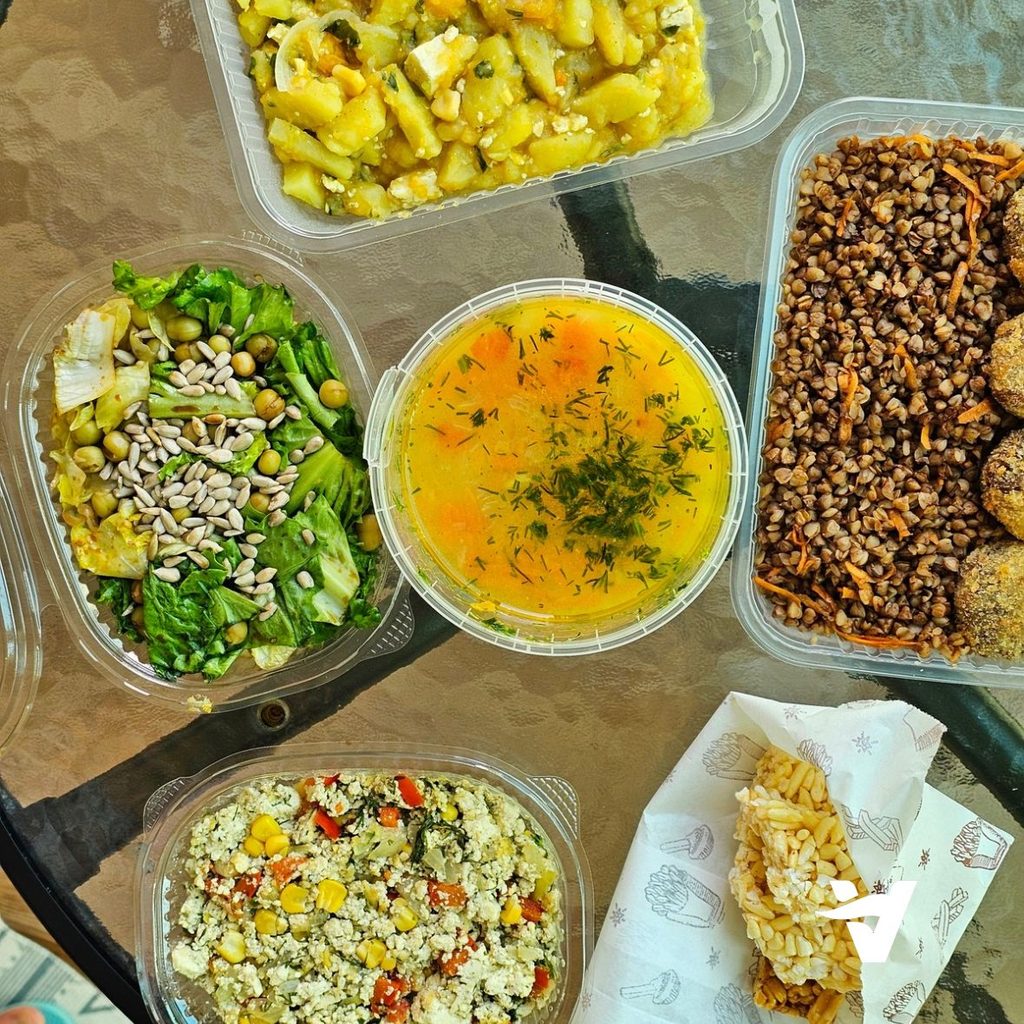
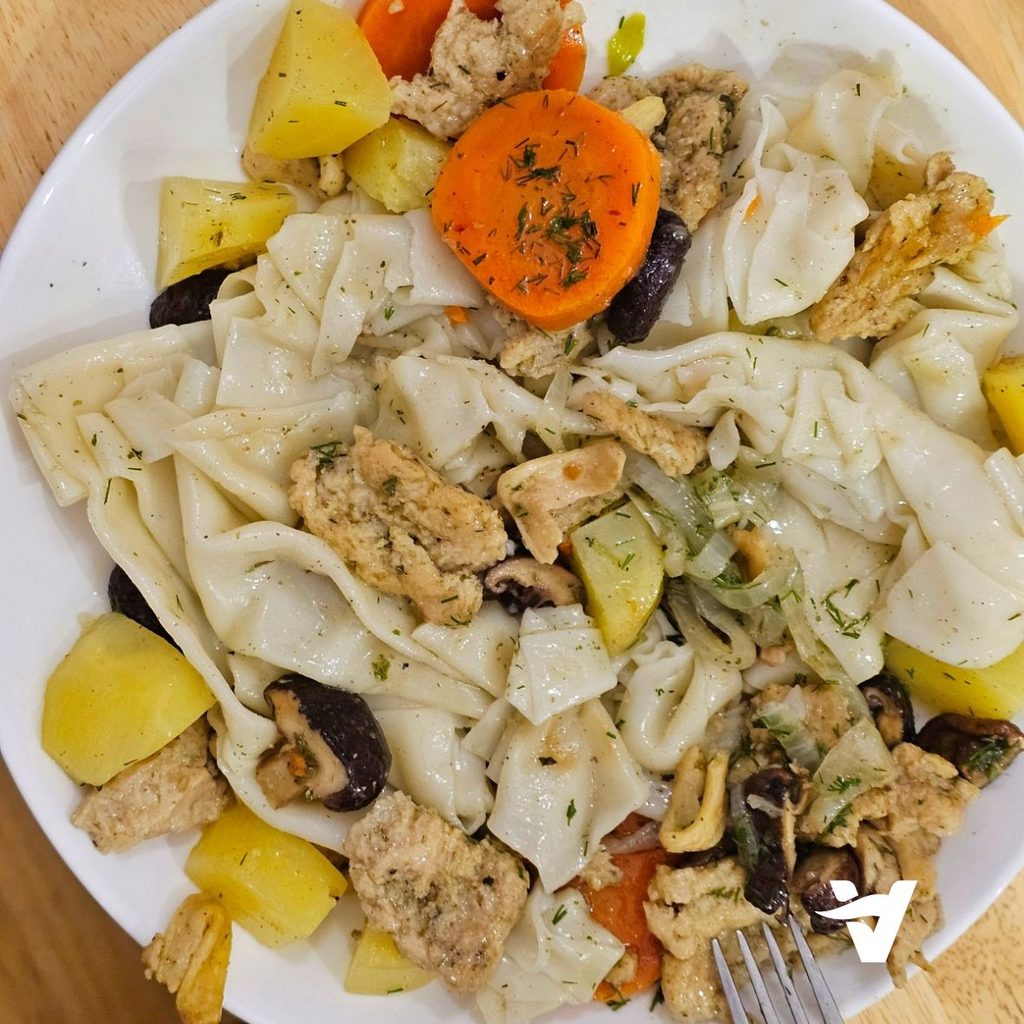
Galym: Our vegan “herring under a fur coat” salad, or shuba, is probably the most popular dish. Almost every order includes it. Burgers are also a big hit — pretty much all the varieties we offer. Many people also love our Olivier salad. Beshbarmak, manty and tofu curry in tomato sauce are popular too.
Your beshbarmak absolutely won me over! Especially the shiitake mushrooms. They do such a great job of recreating the flavour and texture of kazy.
Galym: That was exactly what I was going for. At first, I used oyster mushrooms, but they didn’t quite give me the result I wanted. So I decided to try shiitake instead.