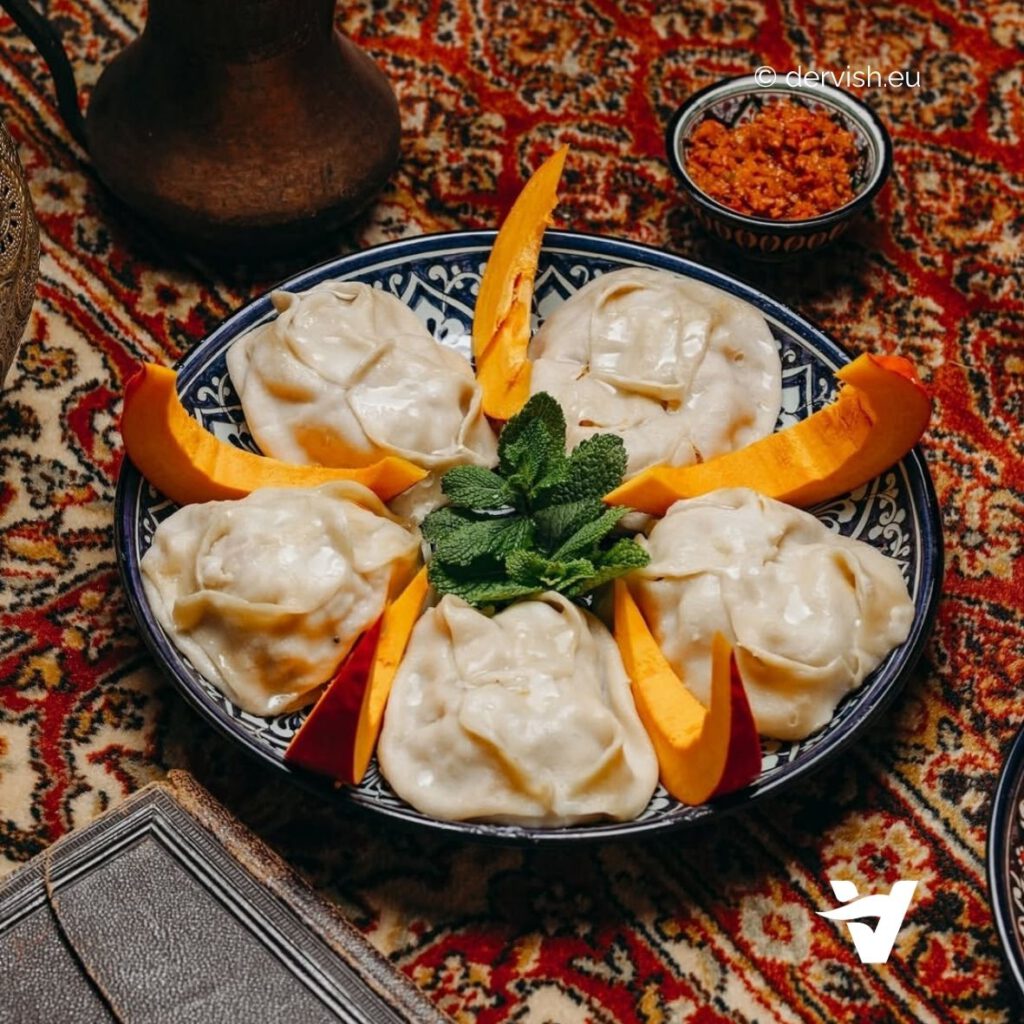
Uzbek cuisine is naturally abundant in fresh herbs, legumes, grains, vegetables, fruits, and nuts — which makes it somewhat surprising that fully plant-based dining hasn’t taken off more widely across the country. Today, Uzbekistan is home to only two dedicated plant-based spots: the vegan café Artha in Tashkent and the vegan-vegetarian café SamarKind in Samarkand (be sure to check out our recent interview with the founders of SamarKind!).
That is why learning about the opening of the first and only vegan Uzbek restaurant in Berlin felt entirely natural to me. Still, I was deeply curious about the team behind this pioneering project, what inspired their journey, and what it’s really like to build and grow such a unique plant-based eatery in one of Europe’s culinary capitals.
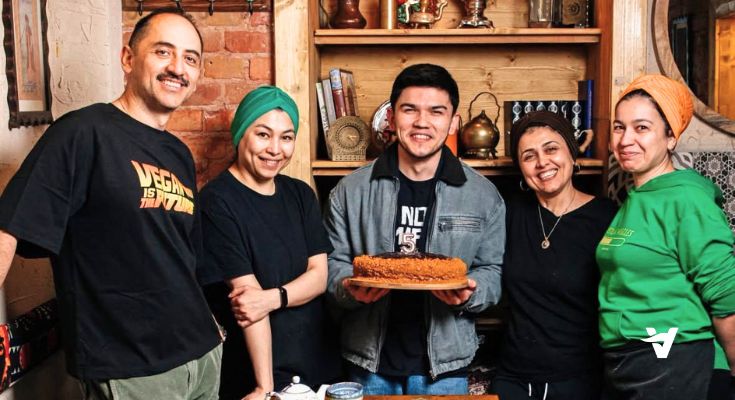
To find out, I sat down with Umed, who represents the family team behind Dervish.
Aliya Wedelich for Veganstan News
Could you tell me a bit about yourselves — who is behind Dervish, where you’re from, and what brought you to Berlin?
Umed: Dervish is very much a family project. We are actually three families, connected not only by family ties but also by similar values, interests, and our approach to food.
We moved to Berlin from Canada, where we had lived for about five years. Part of our family was already living here, so Berlin felt like a natural place for us to come together and build something together.
Today, one part of the family runs Besh, another runs Dervish, and the third is involved in our catering projects.
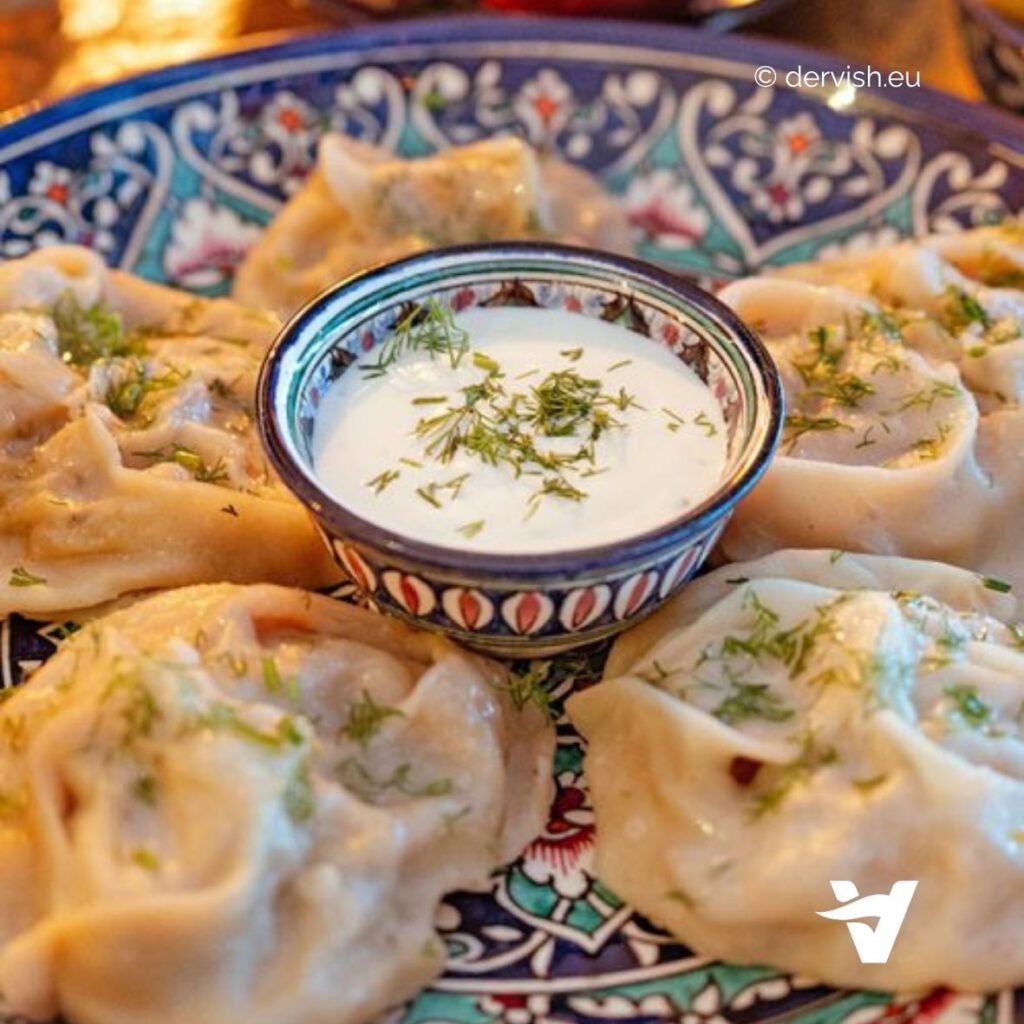
How did the idea for Dervish come about? Was opening a vegan Uzbek restaurant something you had been planning for a long time?
Umed: The idea of rethinking Uzbek and Central Asian food actually started while we were still living in Canada.
Our first restaurant, Besh, opened in Berlin in 2019. Its menu is around 70% vegan and 30% vegetarian. Dervish followed in 2022 and was originally planned as a second, fully vegan branch of Besh.
But quite quickly, we decided to give Dervish its own identity and completely rethink the concept and the menu. It gradually became a place where we could combine Central Asian influences with recipes and ideas we had developed over more than 20 years of vegetarianism and around five years of veganism.
Our whole family follows a sattvic diet (a yogic, plant-based diet focused on fresh, wholesome foods and avoiding pungent ingredients like onions and garlic — editor’s note); some of us are vegan and some vegetarian, so this way of cooking has been part of our everyday life for a long time.
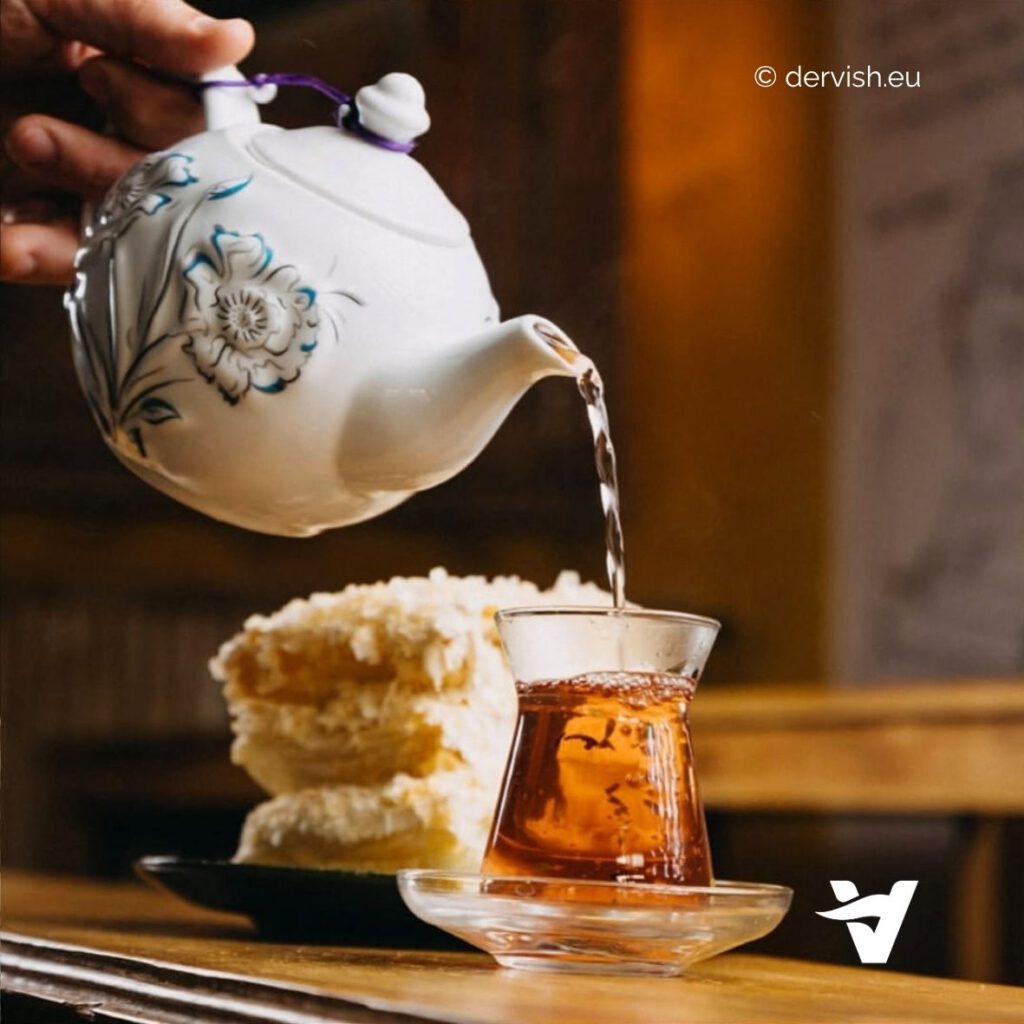
Why did you choose Berlin as the place to open Dervish? What made you feel that the city needed a vegan Uzbek restaurant?
Umed: We believe that good vegan restaurants are needed everywhere, but Berlin was especially welcoming to this kind of idea. There is a strong interest here in plant-based food, but also a real openness towards different cuisines and cultures.
At the beginning, our goal was not simply to veganise traditional Uzbek dishes. We wanted to share the kind of food we ourselves had been cooking and developing for many years, while bringing in flavours and ideas from Uzbekistan and Central Asia.
Berlin gave us the freedom to experiment with that.
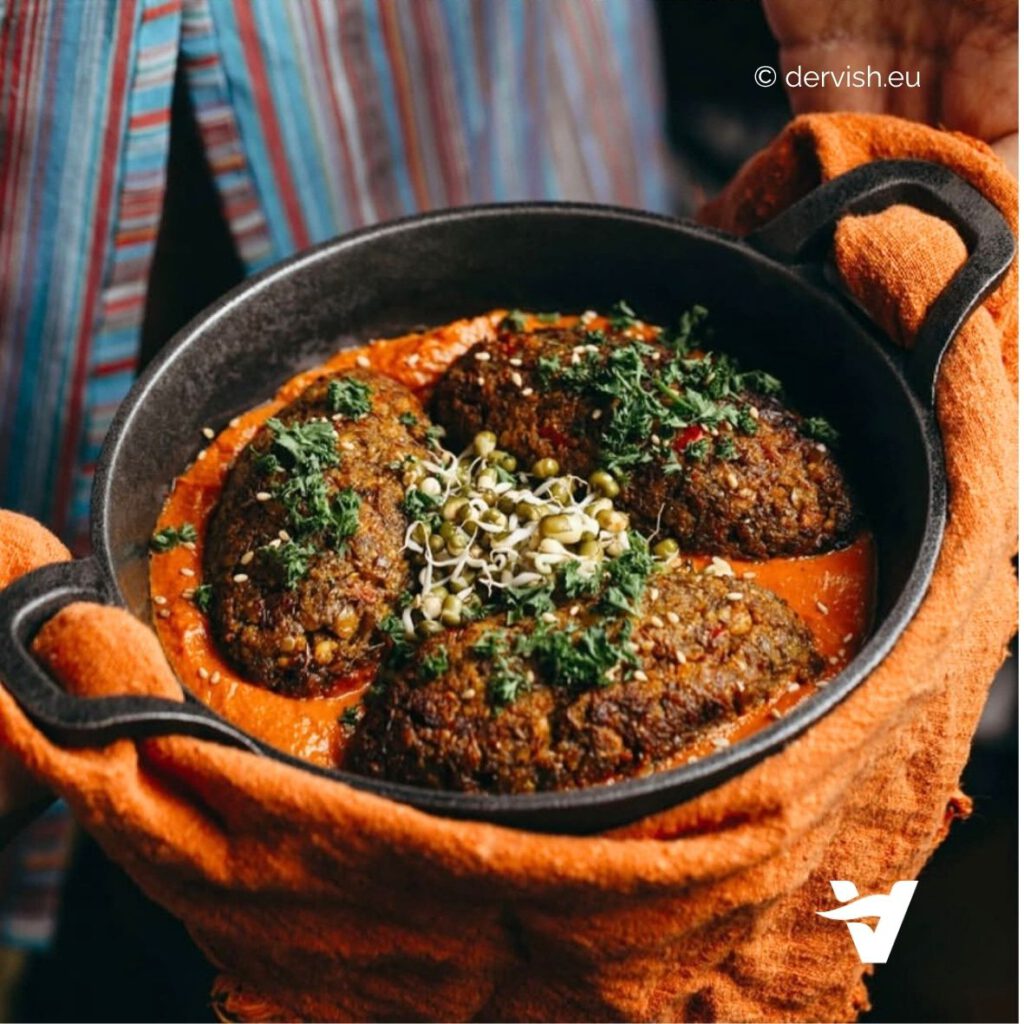
How do you see the vegan and plant-based scene back in Uzbekistan?
Umed: I think the plant-based scene in Uzbekistan is still at an early stage. Veganism is not yet something that is widely understood or seen as part of everyday food culture.
At the same time, Uzbek cuisine already has many ingredients and dishes that can naturally be plant-based, so the potential is definitely there. I think it is more a question of perception and awareness than a lack of suitable food.
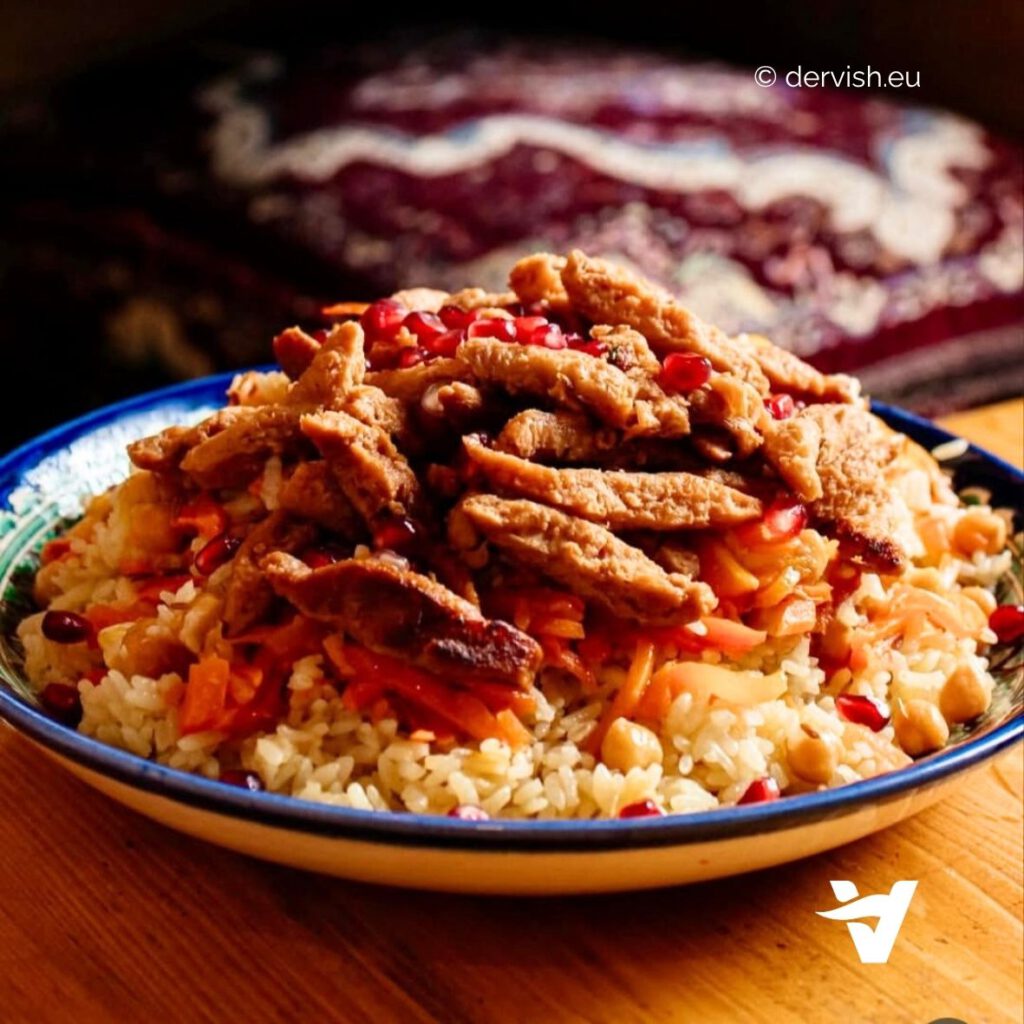
How have Berliners reacted to Uzbek food in a vegan format? Are your guests mostly vegans, people from Central Asian communities, or simply curious food lovers? What has surprised you most since opening Dervish?
Umed: The reaction has been very warm and curious. Our guests are definitely not only vegans. We have many mixed groups, families, and people who simply enjoy discovering new food.
Interestingly, people from our own Central Asian communities make up a relatively small part of our guests. Most people come because they are interested in the cuisine, the atmosphere, or simply want to try something different.
One of the nicest surprises has been seeing large groups where only one or two people are vegan, but everyone enjoys the food together. For us, that is probably the best sign that vegan food does not need to feel like a separate category.
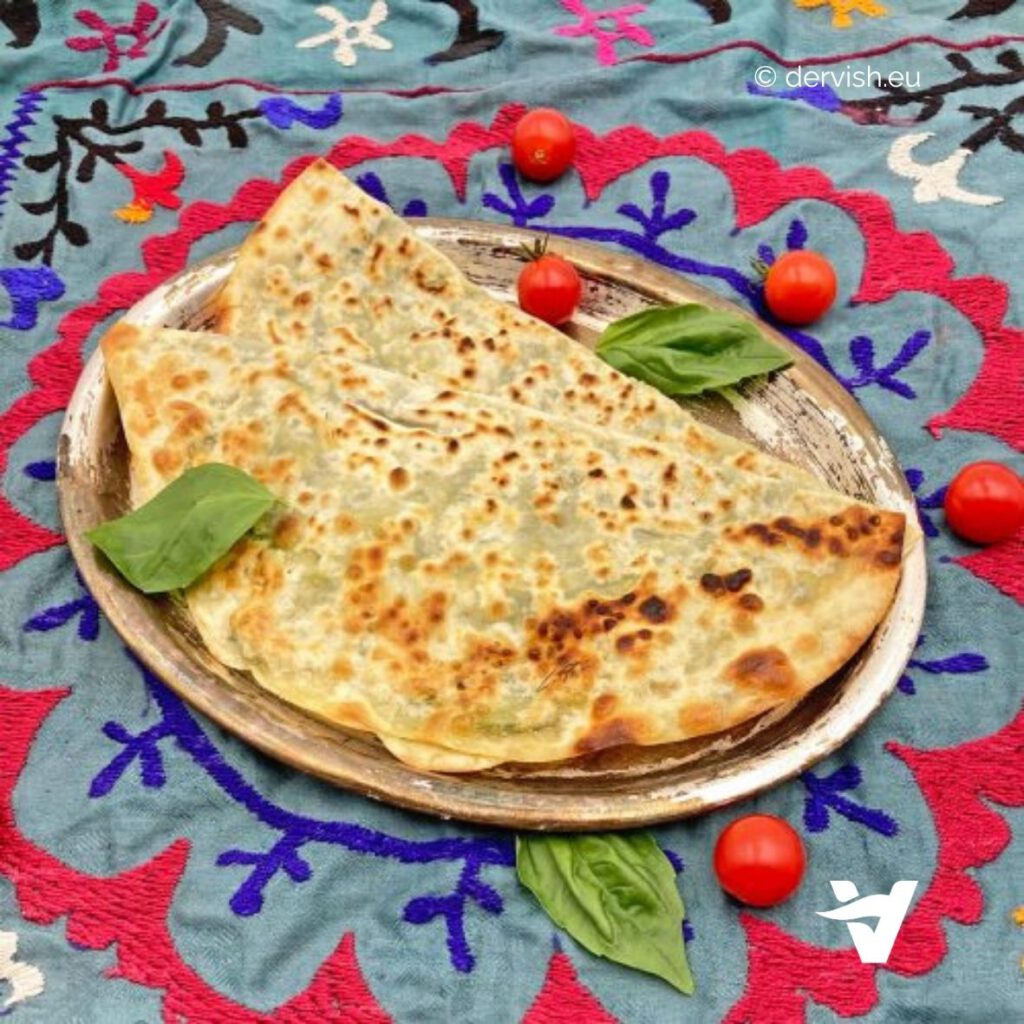
If you could change one thing about the way people in Uzbekistan see veganism, what would it be?
Umed: I would love for people in Uzbekistan to stop seeing veganism as something foreign or disconnected from their own culture.
For me, veganism is not really about belonging to one culture or another. Food should, of course, be delicious and nourishing, but I also think we should be able to ask whether it is good for us, how it is produced, and what impact our choices have on other living beings.
Tradition is important, but traditions also evolve. Choosing more plant-based food does not mean rejecting your culture. It can simply mean looking at familiar food from a different perspective and keeping the parts we love while making them healthier, more compassionate, and more relevant to the world we live in today.