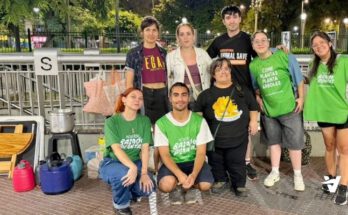

I first met Jayalaxmi Rai at the Animal and Vegan Advocacy (AVA) Summit in India in autumn 2025. Hearing her speak in person was inspiring, so it was even nicer to catch her recent presentation with Plant Based Treaty (PBT) — you can listen to the full recording.
Jaya went vegan 12 years back and has not looked back since. She spend 3 years researching on all things vegan and then ran a cafe of her own for 4 years. She traveled all across India and Asia training, hosting and participating in vegan events. She eventually joined the Animal rights space where she again got into training and teaching people how to cook delicious and nutritious plant-based meals.

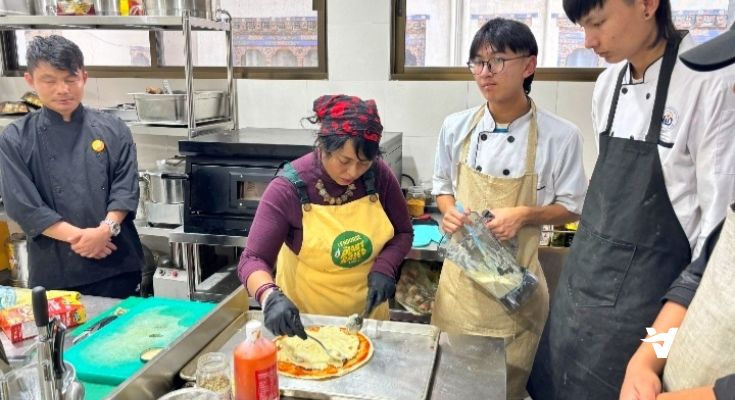
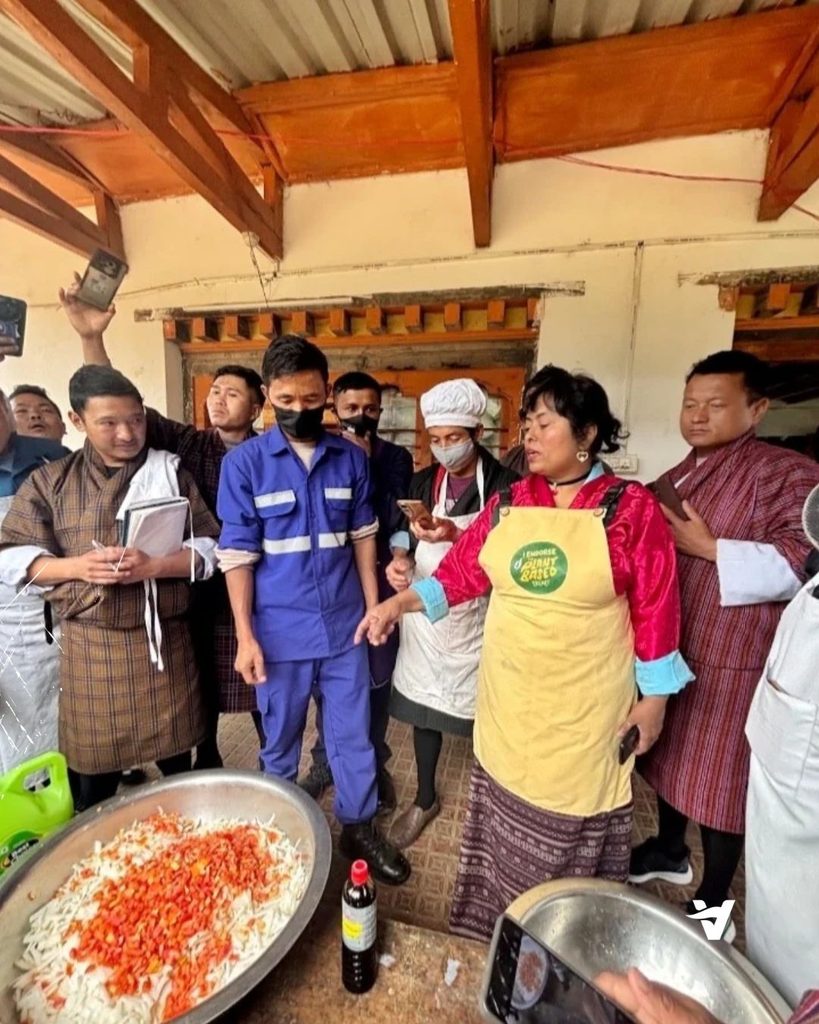
As a chef with PBT, Jayalaxmi has spent years training cooks in spaces ranging from schools, cafeterias to remote monasteries. Along the way, she’s shown that whether you are feeding young students or a room full of monks, shifting toward plant-based eating comes down to a few core principles. Here is Jayalaxmi’s playbook for transforming kitchens, changing minds, and saving animals.
Aliya Wedelich for Veganstan News
Be Ready to Adapt and Do Whatever It Takes
When you want to use plant-based ingredients, suppliers don’t always have what you need. In some schools and monasteries, Jayalaxmi and her team could buy tofu locally. In more remote areas, they had to adapt. Instead of giving up, she taught the nuns and staff how to make tofu from scratch. Seeing their faces light up when they realized how simple it was made the extra work completely worth it.
Being creative with ingredients helps, too. A few years ago, while making slime for kids, Jayalaxmi noticed how stretchy psyllium husk is. She tried adding it to plant-based cheeses and discovered it gives them a great melt and stretch—perfect for pizzas and lasagnas.
Teach by Doing and Keep Things Organized
Jayalaxmi believes teaching isn’t just showing people what to do; it’s getting them to cook from day one.
Be a Guide, Not the Boss
She encourages trainers to step back and guide rather than control the kitchen. When cooks handle ingredients themselves, they come up with great ideas—like using leftover broccoli stems in fresh salads.
Use Surprise Tests
At one culinary school, Jayalaxmi gave students a surprise test right after their lesson, asking them to make a full vegan meal on the spot. Within two hours, they proved to themselves they could do it.
Provide Structured Meal Plans
While restaurants use set menus, big kitchens like schools need clear meal plans. A simple schedule takes away the guesswork for kitchen staff and makes their daily work much easier.
Avoid Food Waste and Focus on Vegetables
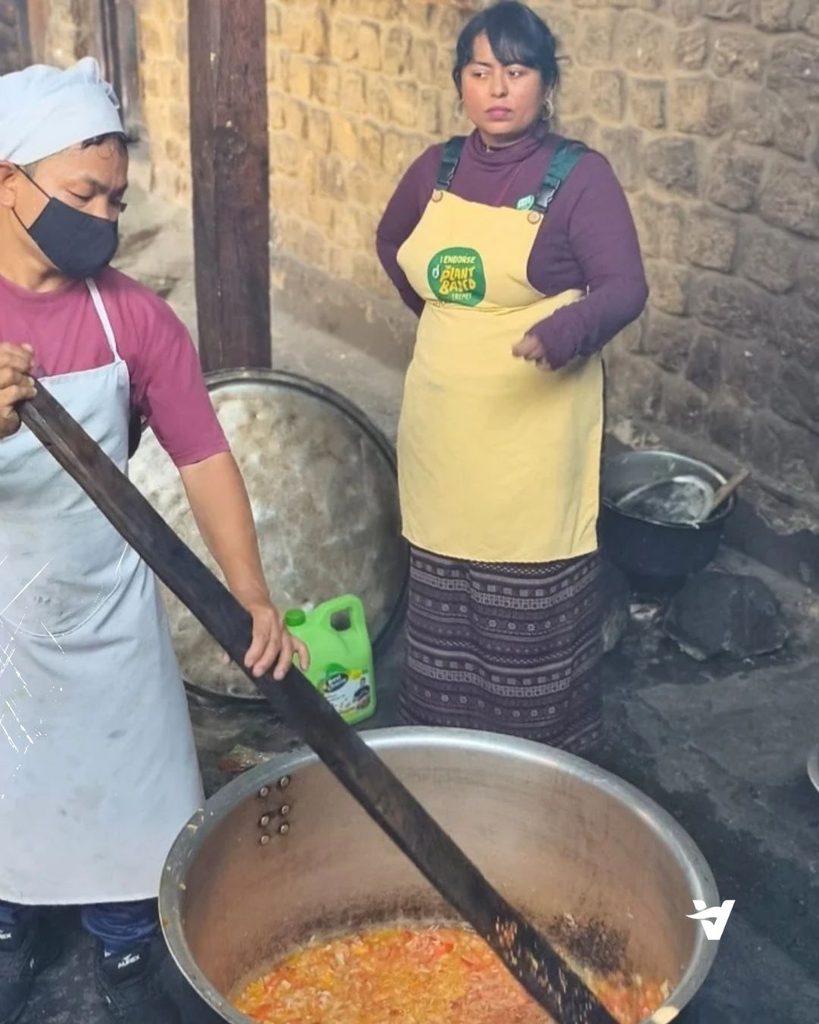
Big kitchens often cook too much food out of habit. By planning more carefully, Jayalaxmi showed school cafeterias that cooking a bit less meant clean plates and almost no wasted food.
She also encourages using every part of the vegetable:
Don’t throw away greens
Don’t throw away beet tops—use them in soups, stews, and salads.
Make vegetables the star
Turn humble vegetables into the star of the dish, like making “steaks” out of cauliflower, beets, or yams.
Sneak them in creatively
In Bhutan, her team added extra veggies to rice and lentils, and even served a sweet and spicy vegetable snack (chhatpati) during tea time.
Use Familiar Flavors and Keep Things Fun
Food is connected to memories, culture, and comfort. People often worry that going plant-based means losing the foods they love.
Veganize Traditional Staples
Cooking familiar meals lets people enjoy traditional tastes without using animal products. At one camp, Jayalaxmi served vegan butter without telling anyone at first, and people were shocked it wasn’t regular dairy.
Spark Curiosity
She once served a mango cheesecake made with a cream layer from potatoes and cashews. Surprising people with simple ingredients helps open their minds to new ways of cooking.
Make it Fun for Kids
Cutting veggies small, offering tasty dips, or shaping simple rice and lentils into little animal figures instantly makes meals more exciting for children.

Learn from Mistakes and Keep the Energy Positive
Not every project works out right away. Jayalaxmi once worked with a company in India where the founder wanted all employees to eat vegan meals. The change happened too fast, and the project stopped.
However, she points out that setbacks are never a total waste. You can always pause a project and try again later with a slower approach. Plus, from that single project, her team made two great long-term partners who still work with them today.
Most importantly, Jayalaxmi keeps the process enjoyable. Whether she is helping monks make their first vegan feast or showing kids how to play with their food, keeping things light and simple makes helping animals a rewarding experience for everyone.