

I first connected with Naman Dedhia at the Animal and Vegan Advocacy (AVA) Summit in India back in autumn 2025. Over a quick coffee, he told me a bit about his team’s impressive work and thoughtfully asked if they could help out in our region — so if you’re looking to scale plant-based initiatives locally, definitely reach out to him! Hearing his practical take on policy left a big impression on me, which made catching his session at a recent Plant Based Treaty (PBT) webinar even better. (You can listen to the full recording.) Here is his recipe for successful political advocacy for animals.
Aliya Wedelich
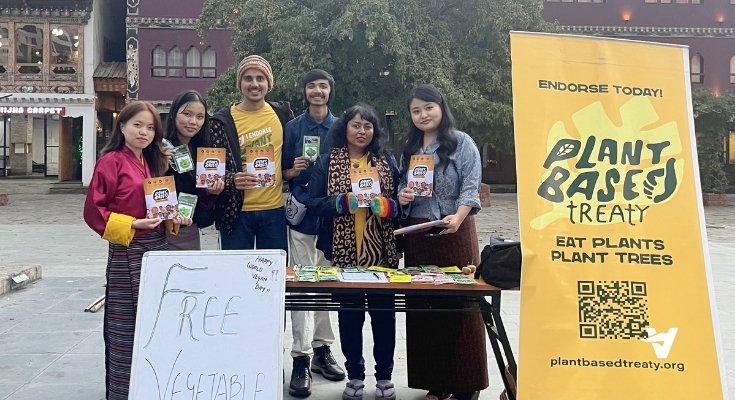
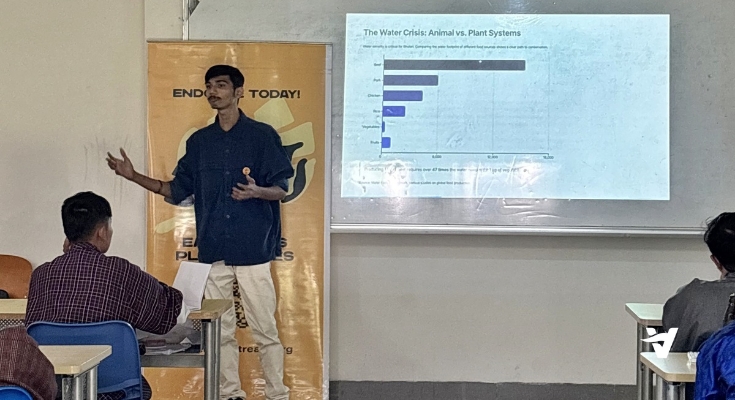
As the Regional Liaison for Asia at PBT, Naman coordinates campaigns across India, Nepal, Bhutan, Sri Lanka, and the Philippines. His work ranges from big policy moves—like a national training program with Bhutan’s government that reached 160 school kitchen staff across all 20 districts—to city-level endorsements in Nepal and legislative work in the Philippines.
Shifting large food systems can feel overwhelming, but Naman breaks it down into a clear, doable roadmap.

Build Relationships, Not Just Contact Lists
Naman is certain that real networking isn’t about collecting stacks of business cards—it’s about building genuine relationships that open doors down the line.
First, he points out that every good conversation starts with a bit of homework. Before reaching out, take time to figure out who key decision-makers are and what their department currently cares about. Second, listen before you pitch. Instead of diving straight into your ask, find out what they actually need so you can match your ideas to their goals.
On top of that, Naman loves using referrals: one good introduction should always lead to another. Asking supportive contacts to introduce you to their colleagues or other departments expands your network naturally. Finally, show up at local conferences and events to stay visible, and always send a quick follow-up within 24 to 48 hours so you stay on their radar while the conversation is still fresh.

Align with What Decision-Makers Already Care About
Naman stresses that advocacy works best when you stop asking institutions to completely change course and instead show them how plant-based options help them hit their existing goals.
Politicians and municipal leaders are already focused on their climate action plans, public health goals, and budget constraints. Framing plant-based meals as a simple solution to their current problems makes your proposal an easy yes. Implementation should also be as low-stress as possible. Big organizations panic if you ask for an overnight overhaul, so Naman suggests small, gradual steps—like swapping out one ingredient at a time or starting with “Meatless Mondays.”
Finding internal champions inside government offices can speed things up dramatically. In Bhutan, for example, connecting with a supportive officer in the Prime Minister’s Office helped navigate official approvals smoothly. Keeping these contacts updated on your progress ensures they feel included and proud of the results.
Drive City-Level Campaigns
City governments are amazing entry points for real policy change, as long as you approach them strategically, says Naman.
He recommends connecting across multiple municipal teams — like public health, education, and climate divisions—rather than relying on just one office. City leaders also love visible campaigns that involve local businesses.
At the end of the day, policy decisions come down to numbers. Sharing clear, measurable outcomes — like footfall, cost savings, or the percentage of vegan dishes added — builds trust fast. Once a city endorses your campaign, ask local leaders for introductions to sister cities to turn one local win into a regional chain reaction.
Share Your Work on Social Media
Naman reminds us: never underestimate the power of posting your progress online. Even small local wins are worth celebrating publicly.
When Naman’s team shared updates from their work in Bhutan and highlighted a plant-based milestone at a major temple in Mumbai, thousands of people reshared it. Social media brings your work to people who couldn’t be there in person, inspires advocates in other regions to take action, and opens doors to new partnerships you might not have expected.
At its core, Naman’s approach shows that institutional advocacy doesn’t have to be complicated. It’s really about meeting people where they are, offering practical help, and turning single connections into lasting impact for animals.